
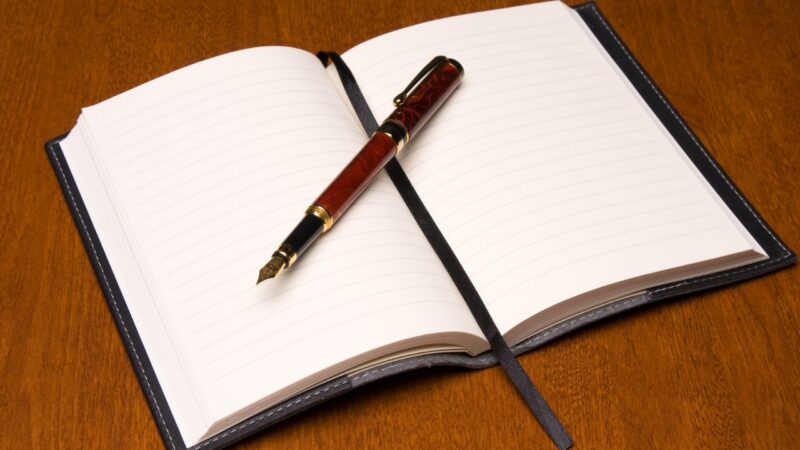
Reading journals are back because readers want a slower, more memorable way to live with books.
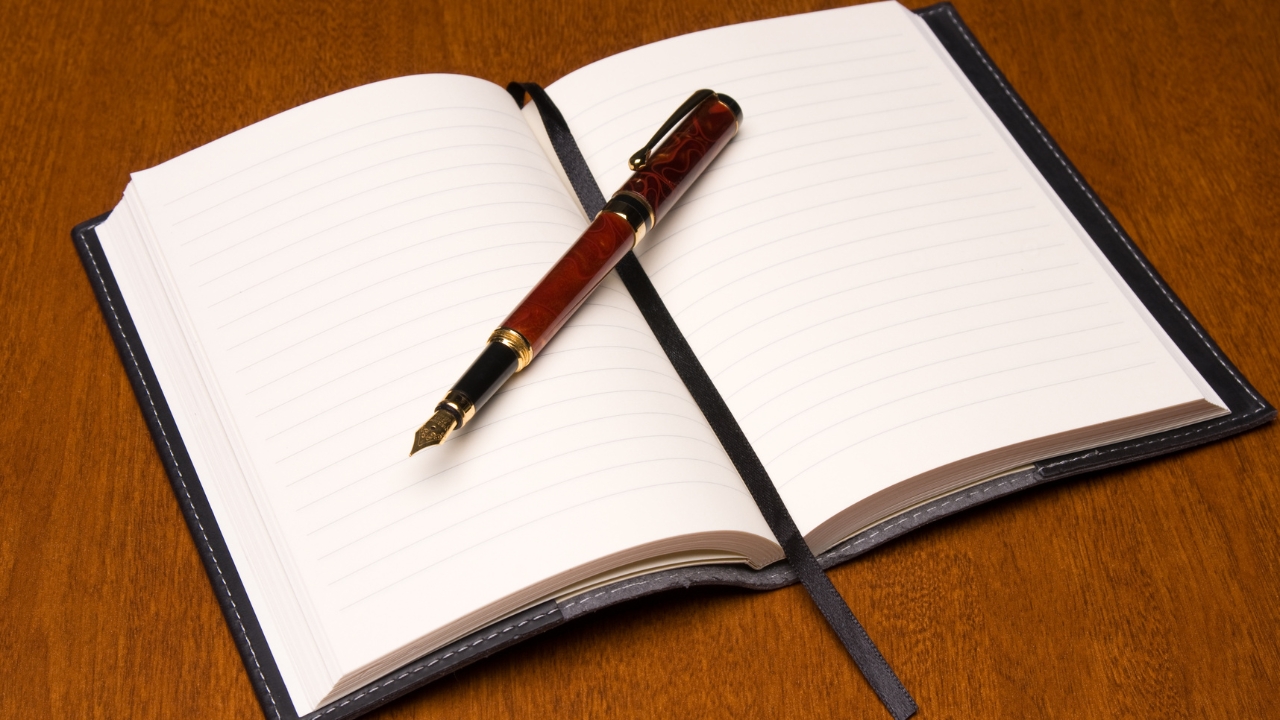
A paper notebook gives a novel, memoir, poem, or essay collection more staying power: readers record titles, dates, quotes, moods, questions, and personal reactions instead of letting each book disappear into an app feed.
The trend is partly cultural, linked to BookTok, Bookstagram, marginalia, and analog stationery. It is also practical. Longhand notes can push readers to process ideas rather than copy them, a finding supported by research on handwritten note-taking.
In a year shaped by AI summaries and constant screens, a reading journal has become a small act of attention.
Why Reading Journals Feels Relevant Today

A reading journal is a notebook, binder, or loose system used to track and reflect on books. It can be plain, artistic, data-heavy, or private. The core purpose is simple: preserve what a reader read, what mattered, and why.
Reading culture in 2026 is split. Public data still shows pressure on reading habits, yet online communities keep making books visible. In the U.S., a YouGov survey found that 59% of American adults read at least one book in 2025, meaning 41% did not finish one.
In the UK, the National Literacy Trust reported that daily free-time reading among 8- to 18-year-olds rose to 20.3% in 2026, up from 18.7% in 2025, the first increase after several difficult years.
For committed readers, the journal fits a need that apps do not always meet. Goodreads, The StoryGraph, Fable, and Kindle highlights are useful for cataloging. A handwritten page does something else. It slows the record down enough for judgment, memory, and taste to form.
BookTok Made Reading Visible, Handwriting Made It Personal
BookTok did not invent reading journals, but it helped make reading visible as a social habit.
TikTok said books recommended by #BookTok sold more than 50 million copies across Europe in 2025, generating €800 million in revenue across key markets, according to TikTok newsroom data based on analysis from NielsenIQ BookData and Media Control.
The same release said more than a third of 16- to 39-year-olds discover new books through #BookTok.
Yet many readers want a space away from the algorithm after discovery. A notebook offers control over pace and meaning. The public platform says, “Here is what everyone is reading.” The journal asks, “What did I notice?”
Recent coverage of marginalia points in the same direction. The Guardian reported in 2025 that annotating books, once treated by many readers as bad etiquette, had become a BookTok and Bookstagram practice built around tabs, notes, emotional reactions, and personalized copies.
What Handwriting Adds That Apps Often Miss
Handwriting helps because it creates friction. A reader cannot capture every sentence by hand, so selection becomes part of thinking.
In a well-known 2014 study, Pam Mueller and Daniel Oppenheimer found that laptop note takers tended to transcribe more, while longhand note takers processed information more deeply, with better performance on conceptual questions in the experiments.
Yes: handwriting still matters.
A new study has confirmed that writing by hand activates far more complex and widespread neural networks in the brain than typing, underscoring its importance for learning and memory.
Researchers at the Norwegian University of Science and… pic.twitter.com/47CbvztJbA
— Massimo (@Rainmaker1973) June 27, 2026
A 2024 EEG study in Frontiers in Psychology also reported broader brain connectivity patterns during handwriting than typing, while later commentary cautioned against turning such findings into broad classroom rules too quickly.
For a reader, the lesson is modest but useful. Writing three careful sentences about a chapter may be more valuable than saving 40 highlights. The goal is not calligraphy. The value lies in choosing, phrasing, and returning.
Digital Tracking vs. Paper-Reading Journals
Digital trackers and handwritten journals solve different problems. Many serious readers use both.
| Tool | Best For | Weak Spot | Good Example |
| Goodreads | Public shelves, ratings, social proof | Reflection can feel shallow | Track annual reading goals |
| The StoryGraph | Mood, pace, format, stats | Less tactile memory | Compare genres across a year |
| Kindle highlights | Fast quote capture | Easy to hoard unused highlights | Save passages while commuting |
| Paper reading journal | Reflection, memory, personal taste | Requires time and consistency | Write one page after each book |
| Annotated print book | Close reading during the act | Less useful for library books | Mark themes and reactions |
The best system is rarely the most decorative one. A reader who finishes four books a year may need a one-page template. A reader who finishes 80 books may need quick symbols, monthly indexes, and short verdicts.
The Stationery Revival Is Part Of The Story
Reading journals also sits inside a larger return to analog objects. Market estimates vary because “stationery” includes school, office, art, and consumer products, but a Precedence Research estimate valued the global stationery products market at $122.40 billion in 2025 and projected growth through 2035.
Brand-level reporting tells the cultural side. Business Insider reported in 2026 that Papier, the UK-founded stationery company, doubled sales from 2022 to 2025, passed £40 million in annual revenue by early 2026, and served 2.5 million customers globally. Gen Z accounted for about 35% to 40% of Papier’s customer base, according to the report.
None of that proves that reading journals alone is booming. It does show a favorable environment for notebooks, planners, diaries, and paper-based rituals. Reading journals benefits from the same mood: screens are efficient, but paper feels owned.
View this post on Instagram
That sense of ownership often extends to the small tools around the notebook, from the pen a reader reaches for every night to a leather pencil case that keeps the habit portable.
How Readers Use A Reading Journal Without Making It A Chore
A strong reading journal should lower pressure, not add homework. The best entries are specific, short, and easy to repeat.
A fiction entry might track character arcs, setting, pacing, and ending. A nonfiction entry might track the central argument, strongest evidence, weakest claim, and one idea worth applying. Poetry may need fewer categories and more space for single lines, images, or sound. A useful entry after a novel does not need art supplies. It can read like a field note: “Finished on 16 March 2026. The plot mattered less than the atmosphere. Best section: the train scene in the middle, where the narrator finally stops pretending to be neutral. Strong opening, slower final quarter. Main takeaway: unreliable narration works best when the reader still feels emotionally rewarded.” That small paragraph captures date, structure, reaction, craft, and judgment. Six months later, it will say more than a star rating. The comeback of handwritten reading journals is not nostalgia alone. It is a practical response to fast feeds, AI summaries, algorithmic book discovery, and fragile attention. In 2026, readers can find books through TikTok, track them in apps, buy them instantly, and still forget what made a story matter. A notebook changes the ending of the reading process. The book is finished, but the thinking gets one more step. For readers who want memory, taste, and attention to keep pace with their shelves, handwriting has become useful again.
What A Good Entry Looks Like
A Quiet Tool For Deeper Reading